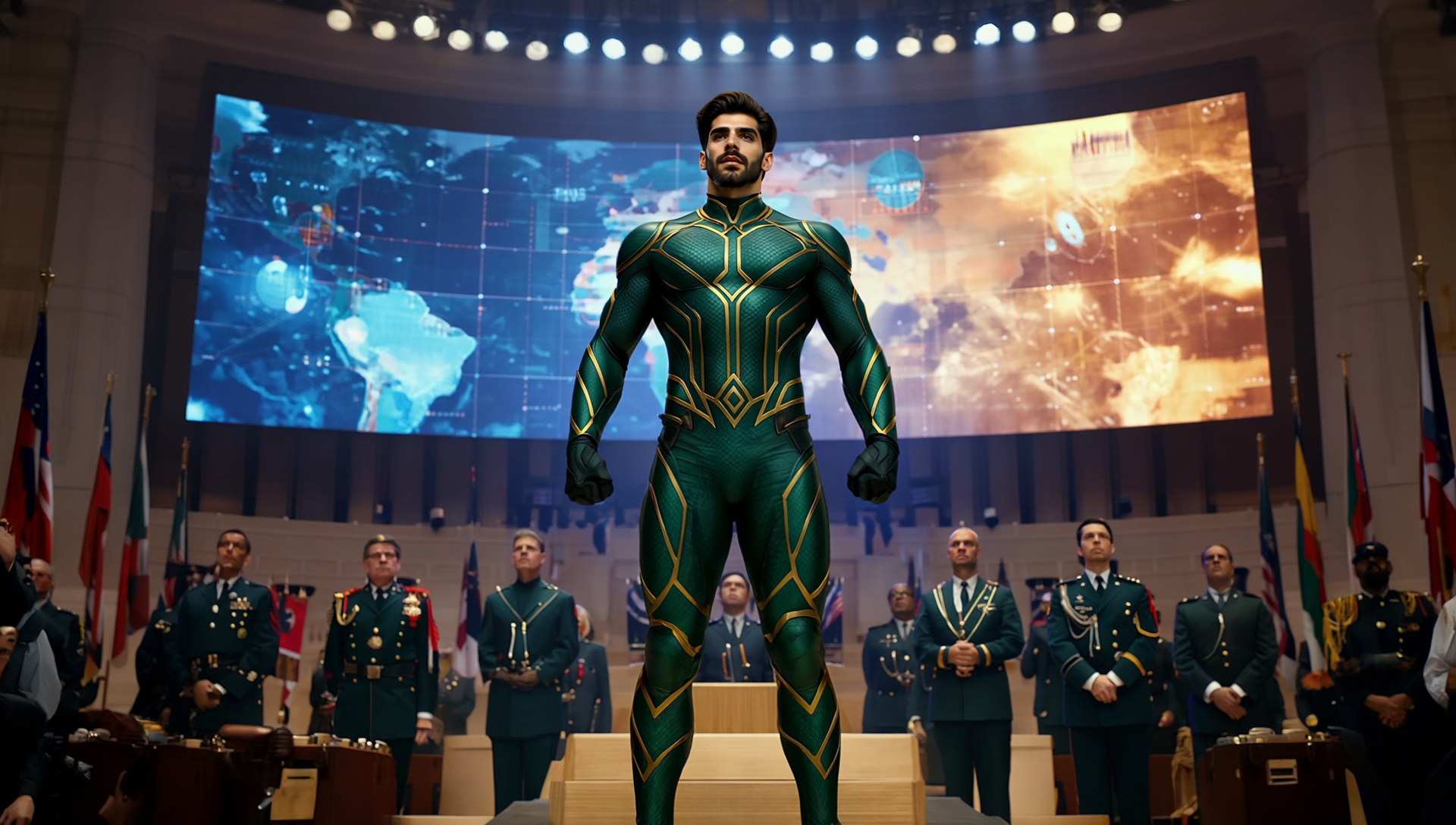

Most people talk about GenAI tools like this: “Text → video”, “prompt → image”, “click → cinematic”.
That framing misses the point.
The real divide in AI filmmaking today isn’t about outputs. It’s about how much control you have over perception.
🎬 AI filmmaking is evolving fast and splitting into two directions.
Creators now find themselves in two worlds: prompt-driven creative suites and pipeline-based workflows.
In this post, I’ll explore the two dominant toolsets shaping GenAI filmmaking today. We’ll examine how they differ, where they overlap, and why the future may belong to those who can master both or even integrate them into real-time engines like Unreal and Blender, where GenAI and storytelling could fully converge.
Prompt-Driven Creative Suites:
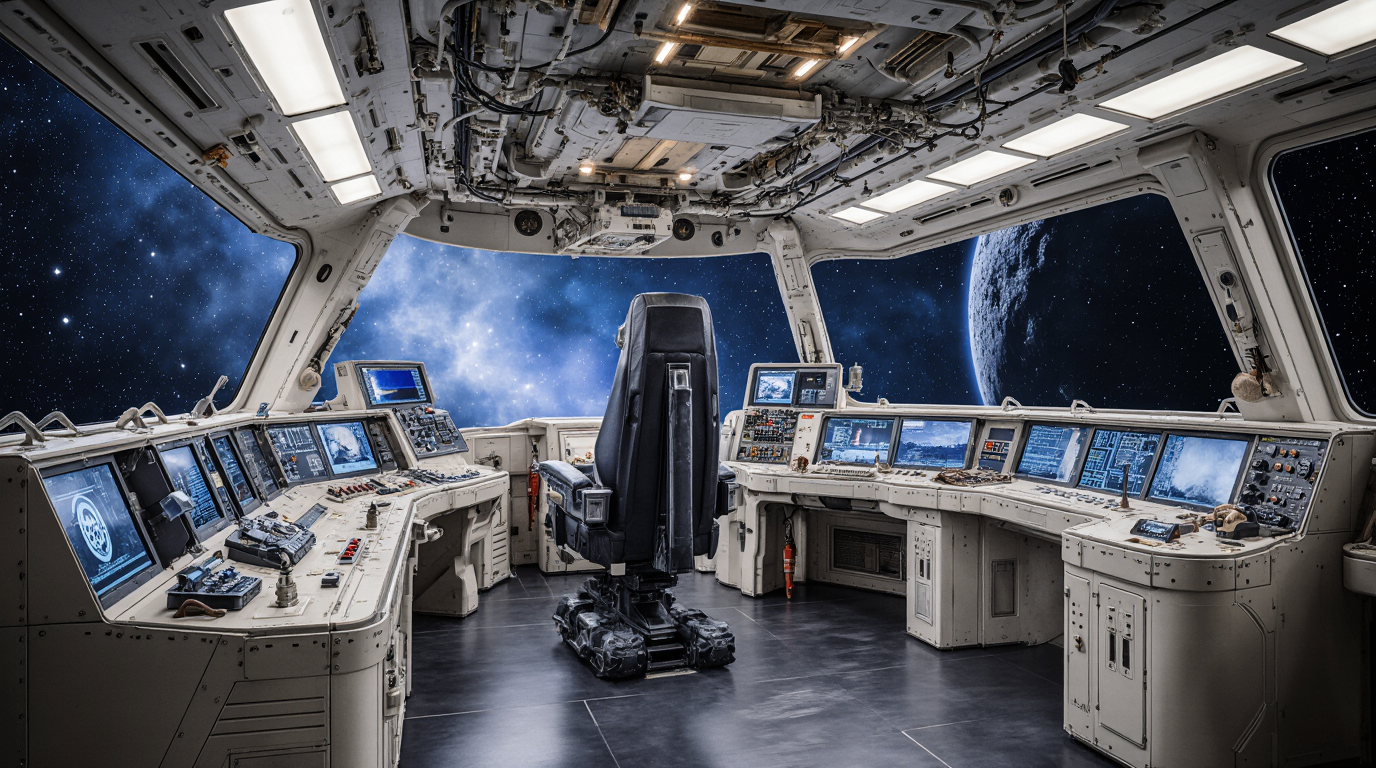
Tools like Runway, Krea, and Higgsfield let you generate visuals using simple prompts. They’re intuitive, improvisational, and ideal for exploration, concepting, and rapid iteration. You don’t need deep technical knowledge, just creative direction.
What’s interesting is how these tools are evolving. Runway is adding cinematic camera controls. Krea is experimenting with real-time visual refinement. Higgsfield goes a step further by reframing prompting into directing- lenses, camera movement, framing, intent. Less “describe harder”, more “decide better”.
These tools lower the barrier to entry but often limit deep customization and consistency across frames.
Pipeline-Based Suites:
Here, you're not just prompting, you're building workflows. ComfyUI, built on Stable Diffusion, has become the most widely used tool in this category. It’s a node-based GenAI workflow engine. If you’ve used Unreal Blueprints or Nuke, it might feel familiar.
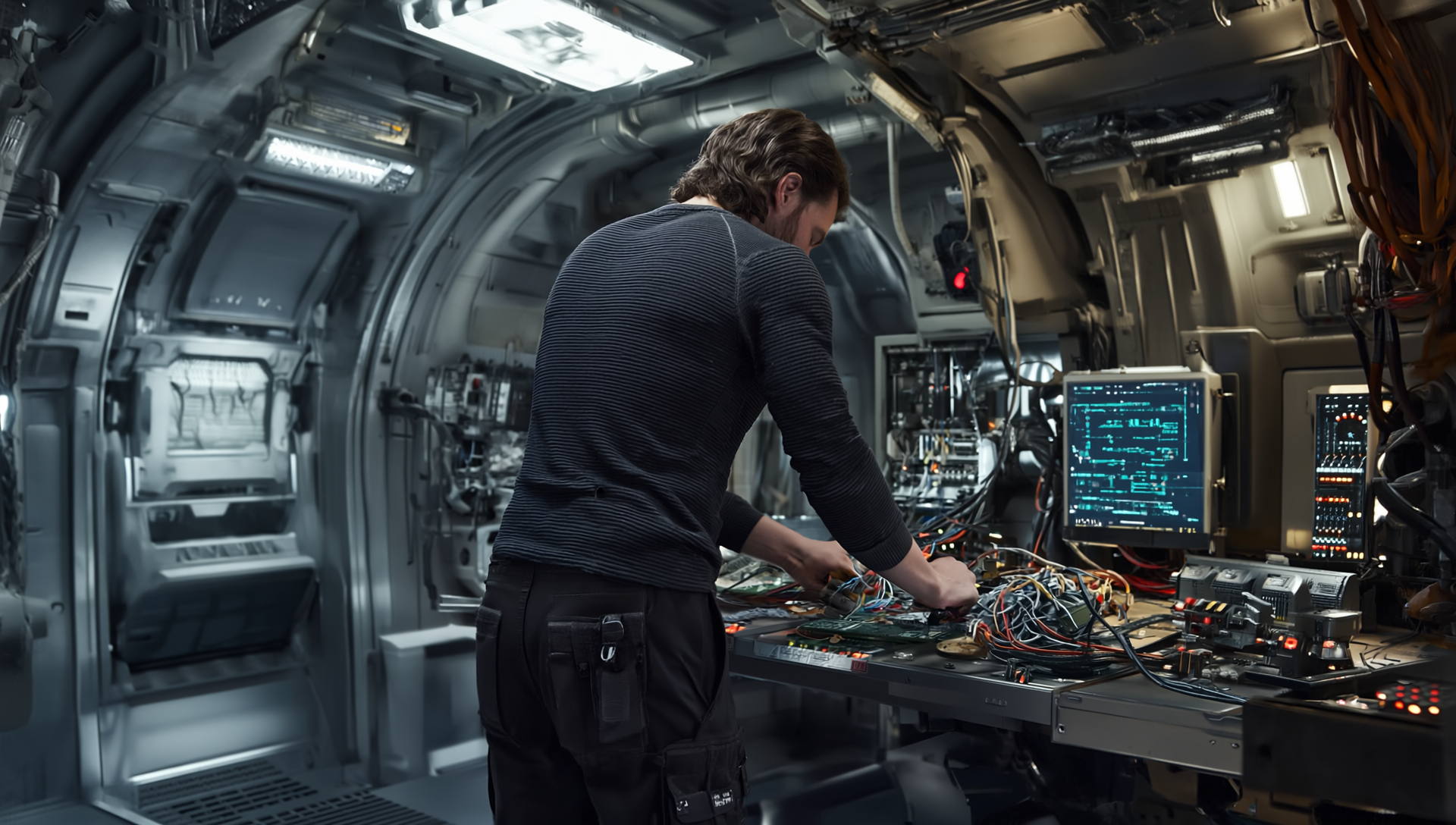
This approach is modular and precise, ideal for creators who want cinematic control at every step. You can generate base images, enforce structure and pose with ControlNet, apply consistent style using IPAdapter, and then refine details through Inpainting and Upscalers.
The result is a structured, repeatable workflow that gives you directorial control over a visual language. You’re no longer directing individual generations. You’re directing the pipeline.
The Shift:
We’re already seeing convergence.
Prompt-first tools are absorbing pipeline logic.
Pipeline tools are becoming more visual and accessible.
Beyond both, tools like Blender and Unreal Engine are beginning to explore AI-assisted and real-time generative workflows, a direction that could fundamentally reshape how virtual sets are built and maintained.
In a normal video, the camera records. In cinema, the camera decides what matters. AI filmmaking will follow the same rules. This isn’t about generating more content. It’s about respecting and extending the language of cinema.